
 Pin this
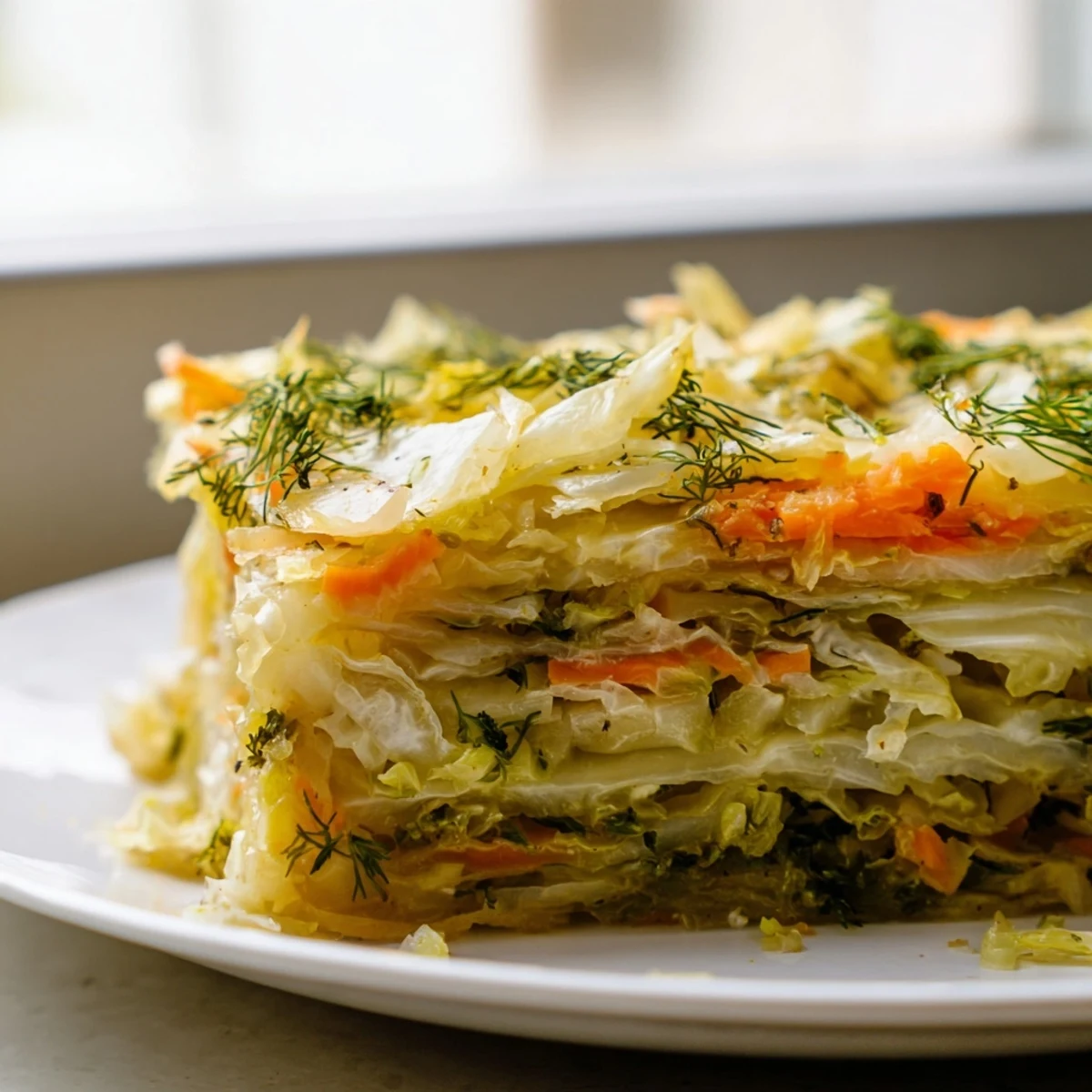
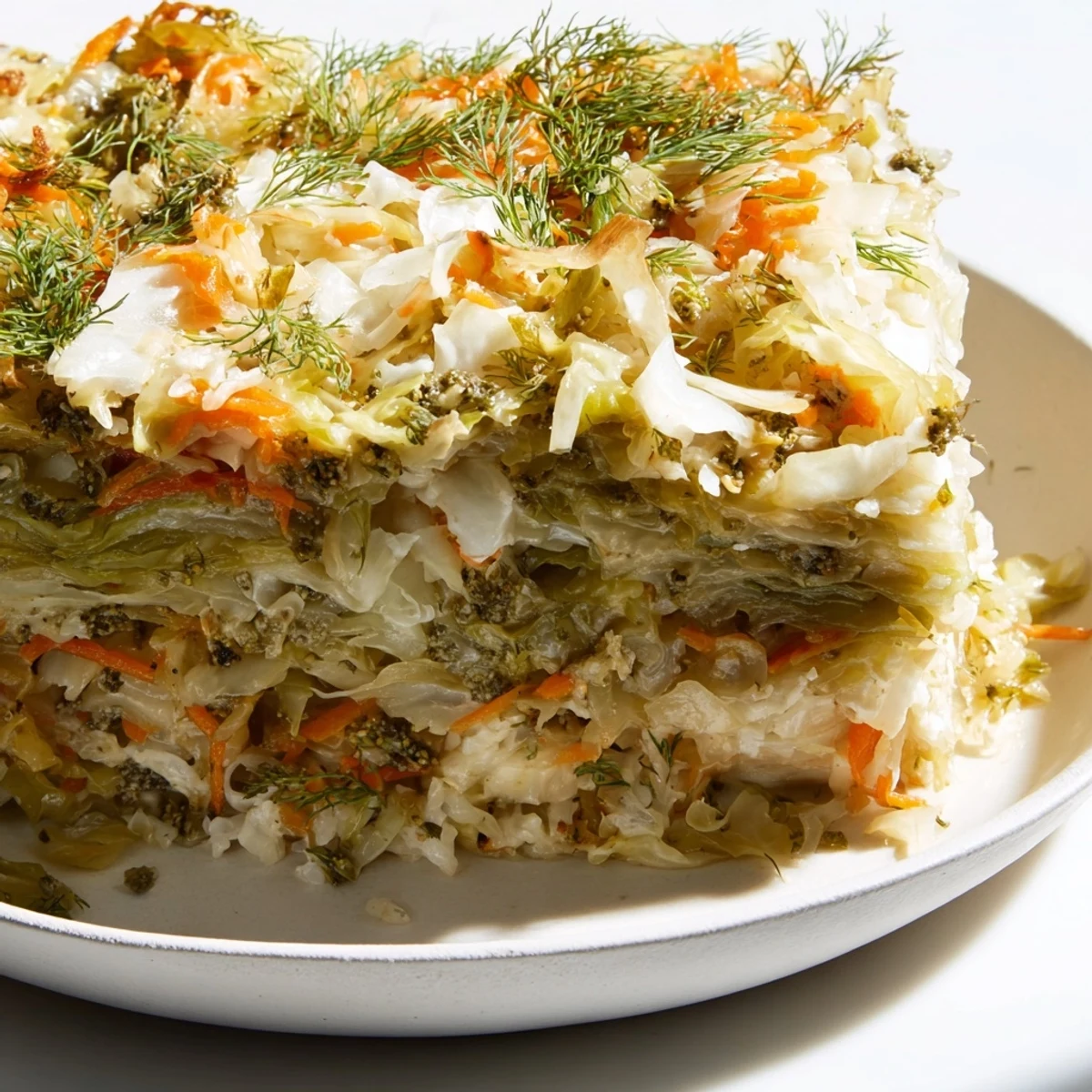
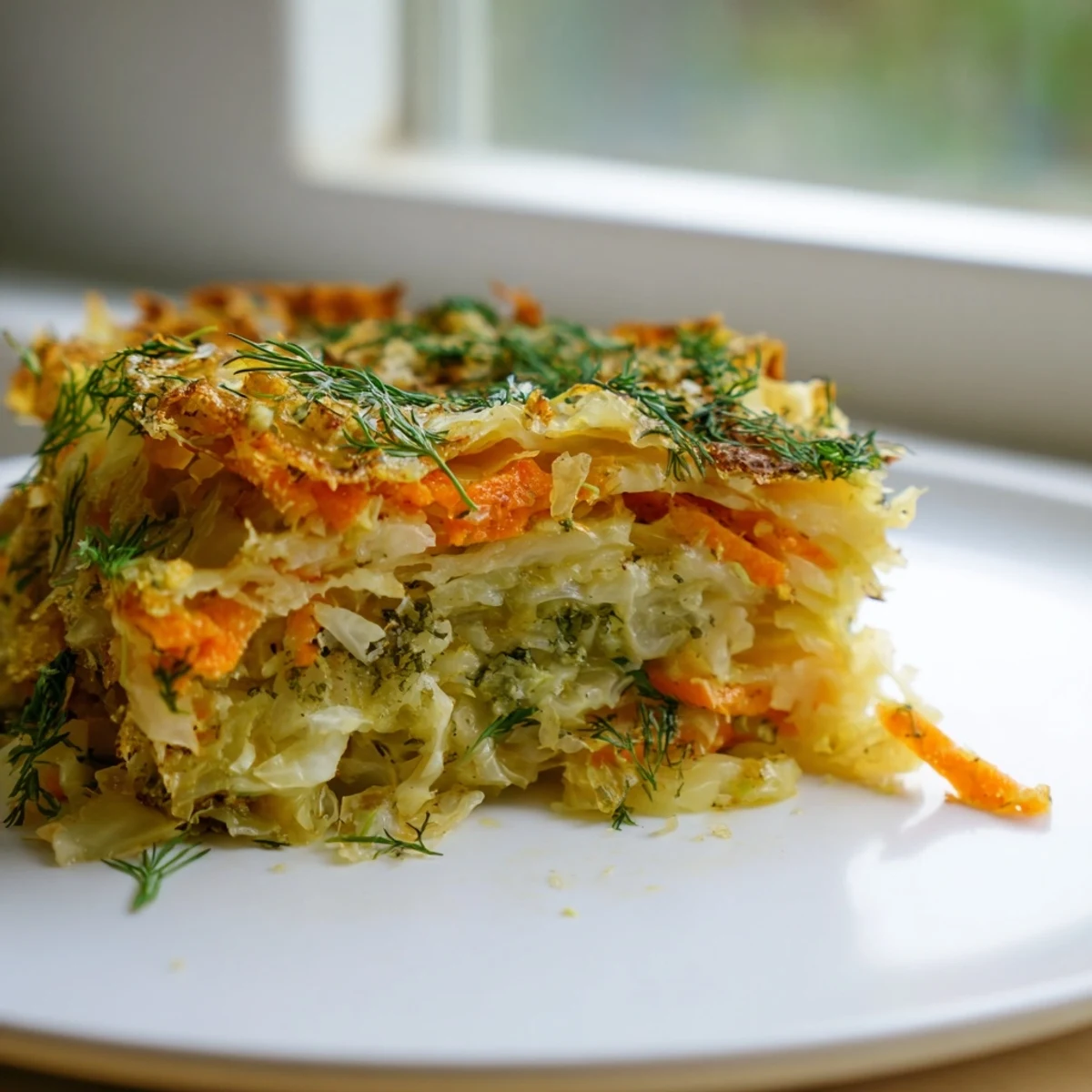
 This hearty casserole combines thinly sliced green cabbage with tangy sauerkraut, slowly roasted to develop deep, savory flavors. The vegetables are layered with caraway seeds, smoked paprika, and fresh dill, then baked for over two hours until tender and golden.
The slow roasting process transforms the cabbage into something meltingly soft, while the sauerkraut adds a bright, tangy contrast. Grated apple brings subtle sweetness that balances the fermented notes.
Serve this comforting dish as a vegetarian main course alongside crusty bread or boiled potatoes. The leftovers develop even more flavor, making it excellent for meal prep.
The smell of cabbage roasting low and slow in my grandmother's kitchen on a grey November afternoon is burned permanently into my sense memory. She never used a recipe, just layered things by feel, humming along to the radio while the whole house filled with this earthy, tangy perfume. This casserole is my attempt to capture that feeling, when outside the world goes cold and inside everything smells like comfort.
I once brought this to a potluck where three people pulled me aside to ask what was in it, convinced there must be meat hiding somewhere. One friend stood in the kitchen eating leftovers straight from the dish while everyone else was still at the table. That reaction told me everything I needed to know about a humble pan of roasted cabbage.
Ingredients
- 1 medium green cabbage (about 2 lb), cored and sliced into thin strips: Green cabbage holds up beautifully to long cooking and develops those golden caramelized edges.
- 2 medium onions, thinly sliced: Onions form the sweet aromatic base that everything else builds upon.
- 2 cloves garlic, minced: Fresh garlic only, and add it late so it never turns bitter.
- 2 large carrots, grated: They melt into the layers and add a subtle sweetness you might not notice consciously but would absolutely miss.
- 3 cups sauerkraut, drained and lightly rinsed: Rinsing tempers the sharpness just enough while keeping that essential sour punch.
- 1 apple, peeled and grated: A quiet secret weapon that balances the sauerkraut with natural fruit sweetness.
- 1 cup vegetable broth: Keeps everything moist during the long roast and adds depth of flavor.
- 1/4 cup dry white wine (optional): Deglazes the pan spirit and adds a lovely acidity.
- 2 tbsp olive oil: Just enough to sauté and prevent sticking.
- 1 tsp caraway seeds: The soul of this dish, giving it that unmistakable Eastern European character.
- 1 tsp smoked paprika: Adds a whisper of fire and smokiness that makes people wonder what your secret is.
- 1/2 tsp ground black pepper: Freshly cracked always, no exceptions.
- 1/2 tsp salt (adjust to taste): Start conservative since the sauerkraut brings its own salt.
- 2 tbsp fresh dill, chopped (plus extra for garnish): Dill and cabbage are old friends who bring out the best in each other.
- 1/2 cup sour cream or dairy free alternative (optional): Swirled on top at the end for a creamy, cooling finish.
- 1/4 cup grated cheese or vegan cheese (optional): Only if you want that golden bubbly crown on top.
Instructions
- Get the oven ready:
- Preheat to 325°F (160°C) and grease a large casserole dish with a drizzle of olive oil so nothing sticks later.
- Build the flavor base:
- Warm olive oil in a large skillet over medium heat and sauté the sliced onions until they turn soft and translucent, about 5 minutes. Toss in the minced garlic and stir for just one more minute until your kitchen smells incredible.
- Work in the cabbage:
- Add the shredded cabbage to the skillet and cook it gently, stirring now and then, until it wilts down and surrenders some of its volume. Stir in the grated carrots, salt, pepper, caraway seeds, and smoked paprika until everything is coated evenly.
- Prep the sauerkraut layer:
- In a separate bowl, toss the drained sauerkraut with the grated apple and chopped dill so the flavors start getting acquainted before they even hit the oven.
- Layer it all together:
- Spread half the cabbage mixture across the bottom of your prepared casserole dish, then blanket it with half the sauerkraut mixture. Repeat both layers once more so you get a beautiful cross section when you serve it.
- Add moisture:
- Pour the vegetable broth and white wine slowly and evenly over the entire casserole, letting it seep down through the layers.
- Slow roast covered:
- Cover the dish tightly with foil or a lid and slide it into the oven for 1 full hour, letting everything steam and soften into tenderness.
- Finish uncovered:
- Remove the foil, crank the heat up to 375°F (190°C), and bake uncovered for another 30 to 45 minutes until the top turns golden and most of the liquid has cooked away.
- Add the optional topping:
- If using sour cream or cheese, spread it over the top during the last 10 minutes of baking and let it melt into a creamy, bubbling finish.
- Rest and garnish:
- Pull it from the oven and let it sit for 10 minutes before serving so the layers settle. Scatter fresh dill over the top and bring it to the table.
 Pin this
 There is something quietly powerful about a dish that turns two of the humblest, cheapest vegetables in the produce aisle into something people genuinely crave. I have made this for dedicated meat eaters who went back for thirds without a single complaint.
Making It Your Own
This recipe is endlessly forgiving and loves improvisation. Try tucking sautéed mushrooms or cooked lentils between the layers for extra heft on nights when you want it to feel more like a meal and less like a side.
What to Serve Alongside
Crusty bread is the obvious and correct choice for soaking up every bit of the tangy juices left at the bottom of the dish. Boiled potatoes work beautifully too, especially if you toss them in a little butter and the same caraway seeds.
Storage and Reheating
This casserole keeps remarkably well in the fridge for up to four days and honestly tastes even better on day two when the flavors have fully merged. Reheat it covered in a moderate oven rather than the microwave if you want to preserve that lovely texture on top.
- Let it cool completely before covering and refrigerating so condensation does not make it soggy.
- Freezes well in individual portions for up to two months, just thaw overnight in the fridge first.
- A quick sprinkle of fresh dill after reheating wakes the whole dish right back up.
 Pin this
 Some recipes impress with technique or rare ingredients, but this one wins by being honest, warm, and deeply satisfying. Make it once and it will quietly become part of your winter rotation without even asking permission.
Recipe FAQs
- → What does slow-roasted cabbage taste like?
-
Slow-roasted cabbage develops a naturally sweet, mellow flavor with a tender texture. The long cooking time caramelizes the natural sugars, removing any harsh bitterness and creating meltingly soft strands.
- → Can I make this ahead of time?
-
Yes, this dish actually improves when made ahead. Prepare it up to two days before serving and refrigerate before the final baking stage. Reheat covered at 350°F until warmed through.
- → Is sauerkraut necessary or can I substitute?
-
Sauerkraut provides essential tangy flavor and texture. You could substitute with other fermented vegetables like kimchi for a different flavor profile, though the taste will change significantly.
- → Why add apple to the sauerkraut?
-
Grated apple adds natural sweetness that balances the tangy sauerkraut and enhances the overall flavor. It's a traditional addition in German and Eastern European cooking.
- → Can I freeze this casserole?
-
Yes, freeze before baking or after cooling completely. Wrap tightly and freeze for up to 3 months. Thaw overnight in the refrigerator before reheating.
- → What protein can I add to make it more substantial?
-
Sautéed mushrooms, cooked lentils, or white beans work beautifully between the layers. For non-vegetarian versions, smoked sausage or kielbasa are traditional additions.