
 Pin this
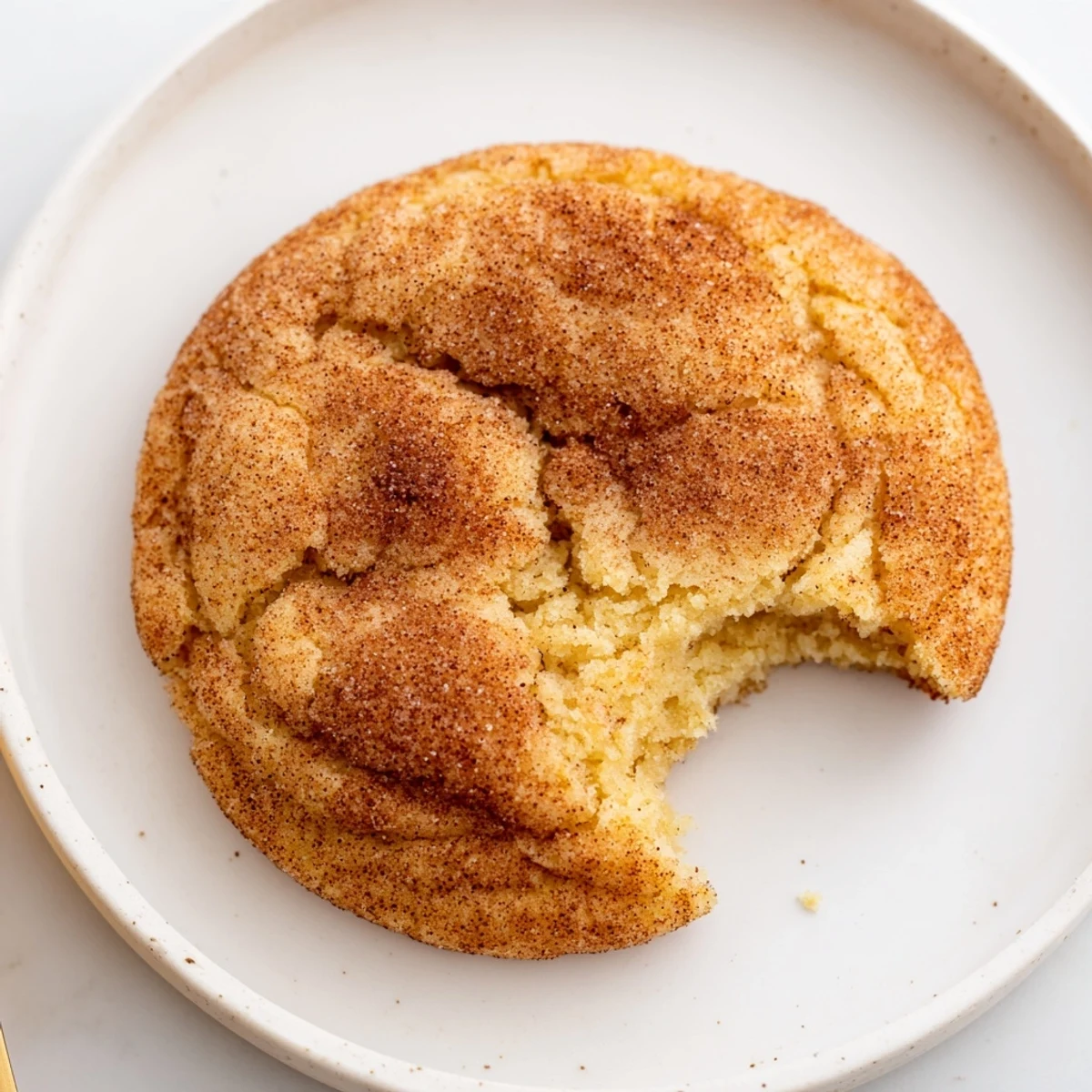
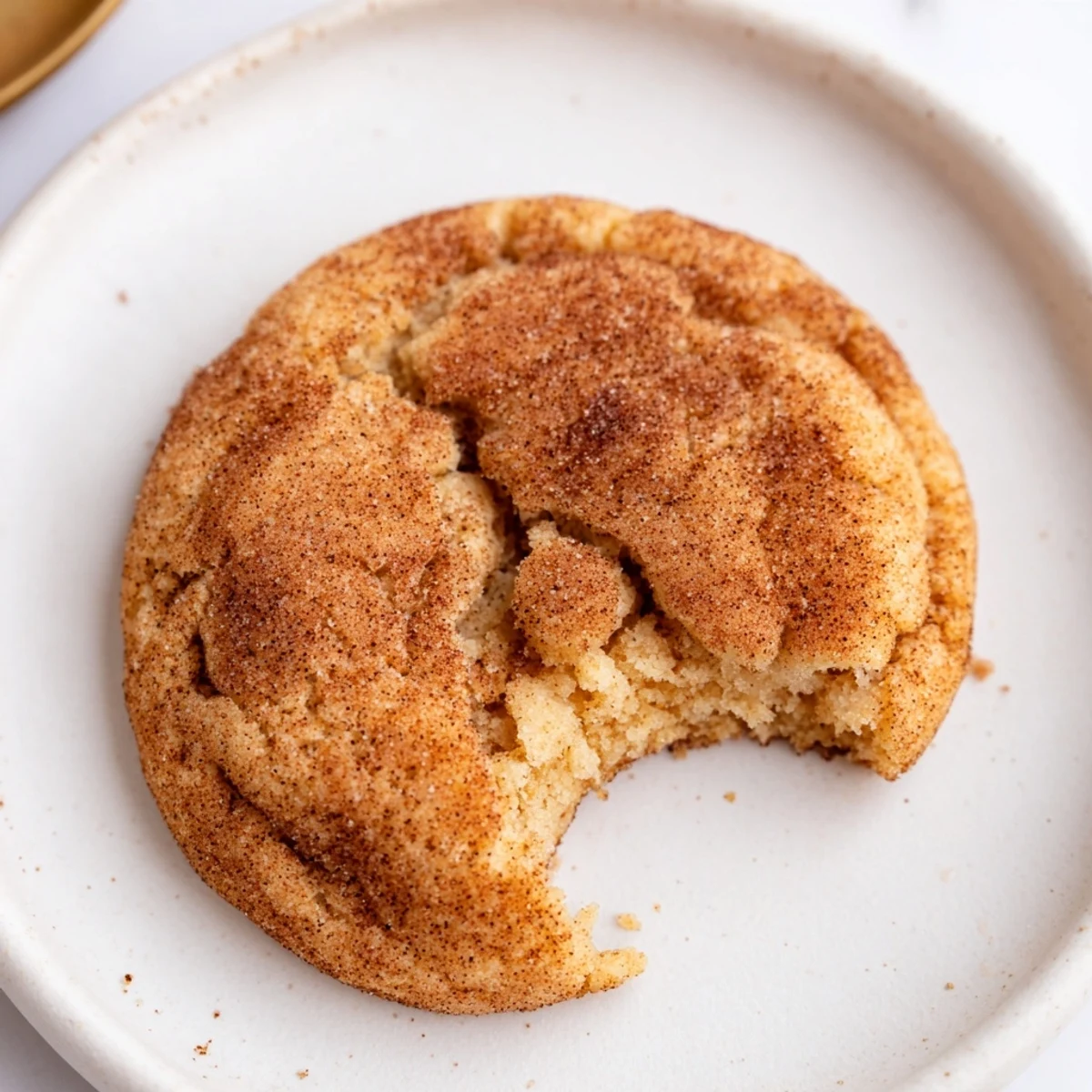
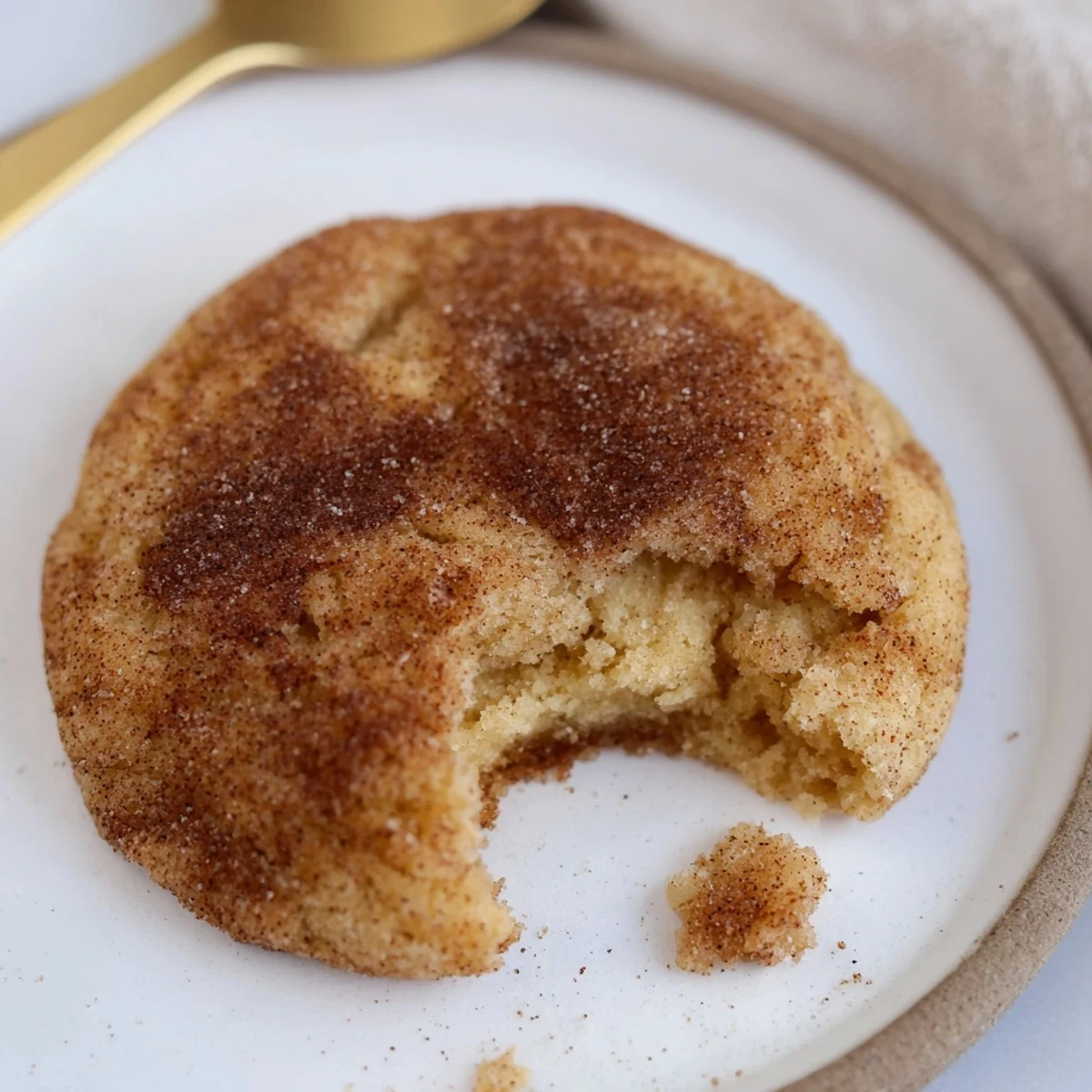
 These snickerdoodles yield soft, chewy cookies with a signature cinnamon-sugar crust. The dough comes together quickly by creaming butter and sugar, beating in eggs and vanilla, then folding in a flour blend with cream of tartar and baking soda for tang and lift. Roll dough balls in a cinnamon-sugar mix, bake 9–11 minutes until edges set, and cool briefly on the sheet for the best texture.
The kitchen smelled like a cinnamon dream, and it was entirely my fault. I had dragged a stool to the counter on a rainy Saturday afternoon, determined to crack the snickerdoodle code after a spectacular failure the week before involving rock hard discs that could have doubled as coasters. My grandmother leaned against the doorframe, arms crossed, watching me measure cream of tartar with the focus of a chemist. That afternoon changed everything about how I understood cookies.
I brought a whole batch to a potluck once and watched a quiet coworker eat four in a row without coming up for air. She later told me they reminded her of her childhood kitchen in Ohio, and we became fast friends over that shared plate. Food does that, connects strangers through sugar and spice and the warmth of an oven.
Ingredients
- All-purpose flour (2 3/4 cups, 345 g): The backbone of the cookie, and spooning it into the cup rather than scooping directly from the bag keeps you from accidentally packing it too tight.
- Cream of tartar (2 teaspoons): This is the secret weapon that gives snickerdoodles their signature tang and chewy interior, so never skip it.
- Baking soda (1 teaspoon): Works with the cream of tartar to create that gentle rise and those beautiful cracked tops.
- Salt (1/2 teaspoon): Just enough to make the sweetness sing without tasting salty at all.
- Unsalted butter, softened (1 cup, 225 g): Room temperature butter creams properly and traps air, which is what makes these light instead of dense.
- Granulated sugar (1 1/2 cups, 300 g): White sugar keeps the dough pale so the cinnamon coating really stands out on the finished cookie.
- Large eggs (2): Added one at a time so they emulsify smoothly into the butter mixture.
- Pure vanilla extract (1 teaspoon): A quiet background note that rounds everything out beautifully.
- Granulated sugar for coating (1/4 cup, 50 g): Combined with cinnamon to create that irresistible sparkling shell.
- Ground cinnamon (1 1/2 tablespoons): Be generous here because this is the flavor everyone remembers.
Instructions
- Warm up the oven:
- Set your oven to 375°F (190°C) and line two baking sheets with parchment paper so nothing sticks and cleanup is effortless.
- Whisk the dry ingredients:
- In a medium bowl, combine the flour, cream of tartar, baking soda, and salt with a whisk until evenly blended, then set it aside.
- Cream butter and sugar:
- Beat the softened butter and sugar together in a large bowl until the mixture turns pale, fluffy, and looks like clouds of potential.
- Add eggs and vanilla:
- Drop in one egg at a time, beating well after each, then pour in the vanilla and mix until the batter smells incredible and looks silky.
- Bring it all together:
- Gradually fold the flour mixture into the wet ingredients, mixing just until the last streak of white disappears because overmixing makes tough cookies.
- Make the coating:
- Stir the sugar and cinnamon together in a small bowl until the color is even and the aroma hits your nose like a warm hug.
- Roll and coat:
- Scoop rounded tablespoonfuls of dough, roll them between your palms into neat balls, and tumble each one through the cinnamon sugar until fully coated.
- Arrange on sheets:
- Place the coated dough balls about two inches apart on the prepared sheets so they have room to spread into perfect rounds.
- Bake to golden perfection:
- Slide the trays into the oven for 9 to 11 minutes, pulling them out when the edges are set but the centers still look a little soft and puffy.
- Cool with patience:
- Let the cookies rest on the baking sheets for two minutes, then transfer them gently to a wire rack to finish cooling completely.
 Pin this
 One December I packed tins of these for every neighbor on my block, and the elderly man next door left a handwritten thank you note on my porch that made me tear up. He said his late wife used to make snickerdoodles every Christmas, and tasting one again felt like a visit from her. That is the quiet power of a simple cookie.
Storing and Keeping Them Soft
An airtight container at room temperature keeps these soft for up to five days, though they rarely last that long in my house. Tuck a slice of bread into the container if you want to extend their tenderness even further, because the cookies absorb moisture from the bread and stay pillowy.
A Small Twist on a Classic
My grandmother sometimes added a pinch of nutmeg to the cinnamon sugar and called it her secret touch. I tried it once during a fall dinner party and three people asked for the recipe before dessert was even over. A tiny grating of fresh nutmeg adds a warmth that feels like wrapping yourself in a blanket.
What to Serve Alongside
These cookies are wonderful with a cold glass of milk, but they truly shine beside a cup of hot coffee or spiced tea on a chilly afternoon. Hot chocolate turns them into an event, the kind of snack that makes you slow down and sit for a while.
- Warm the milk slightly before dunking for the best texture contrast.
- A dash of cinnamon in your coffee ties the whole experience together.
- Always make a double batch because sharing is nonnegotiable.
 Pin this
 Every batch I make still carries a little of that rainy afternoon magic, my grandmother watching from the doorway, the oven clicking as it heated up. Some recipes are just recipes, but snickerdoodles are a reason to slow down and share something sweet.
Recipe FAQs
- → What gives snickerdoodles their tangy flavor?
-
Cream of tartar reacts with baking soda to produce a subtle tang and helps create the characteristic tender crumb and slight chewiness that define snickerdoodles.
- → How do I keep the centers soft while the edges crisp?
-
Bake just until the edges are set and the centers still look slightly underbaked, about 9–11 minutes at 375°F (190°C). Cooling briefly on the baking sheet lets carryover heat finish the centers without overbaking.
- → Can I swap butter for a different fat?
-
Unsalted butter gives flavor and spread. Using margarine or shortening will alter texture and spread; stick to butter for best flavor and slightly crisp edges with tender centers.
- → Why roll the dough in cinnamon-sugar before baking?
-
The cinnamon-sugar coating creates the signature cracked, spiced exterior and adds a caramelized sweetness to the surface as the cookies bake.
- → How should I store them to maintain texture?
-
Store cooled cookies in an airtight container at room temperature for up to 5 days. For extra softness, add a slice of bread to the container to help retain moisture.
- → Any simple variations to change the flavor?
-
Add a pinch of nutmeg to the cinnamon-sugar, fold in a few tablespoons of brown sugar for deeper caramel notes, or press a light sprinkle of coarse sugar on top before baking for extra crunch.