
 Pin this
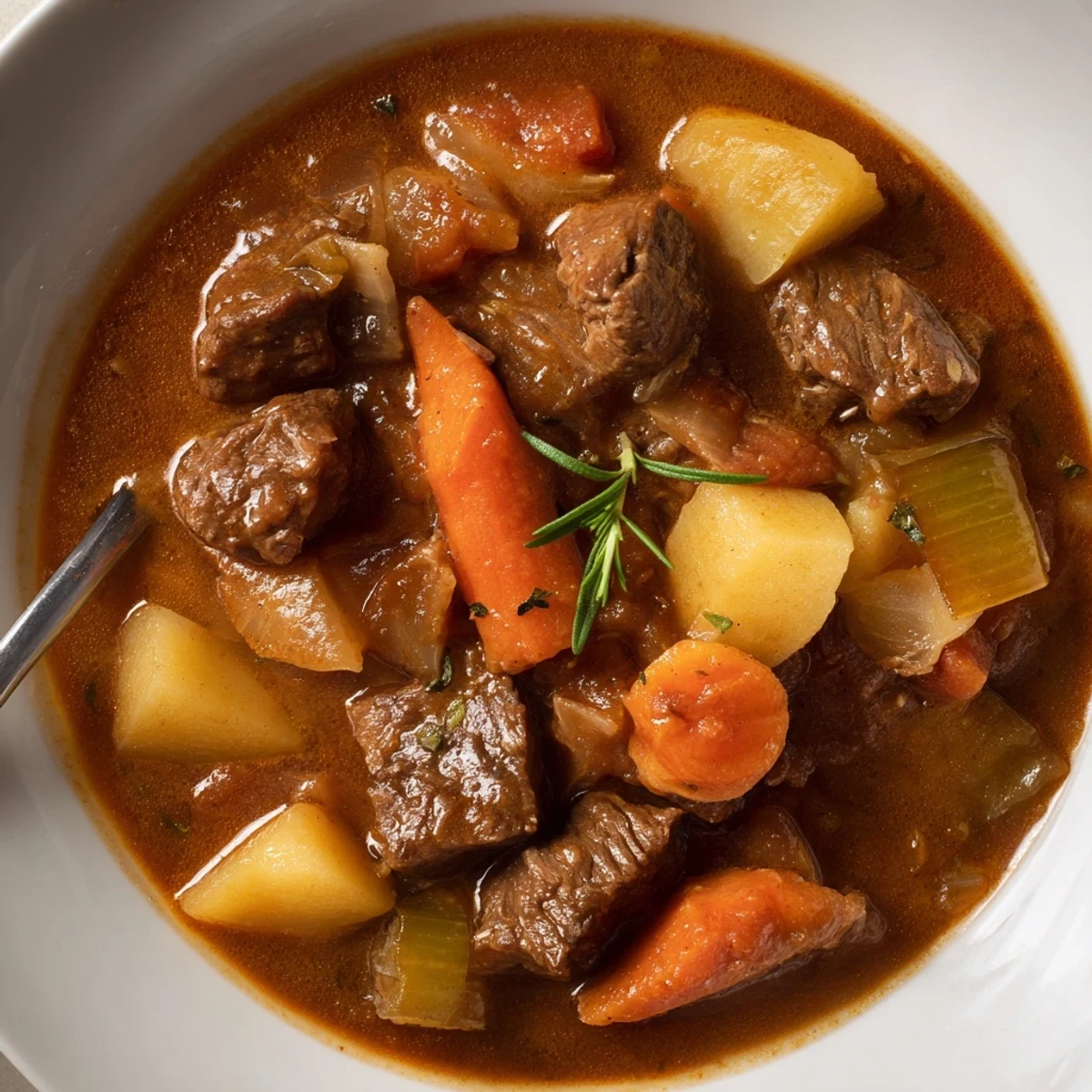
 Spezzatino di manzo is a slow-braised Italian beef dish that builds deep, savory flavor through careful browning, red wine deglazing and a long, gentle simmer with tomatoes and herbs. Use chuck cut into 3 cm cubes; brown in batches, sauté the onion, carrot and celery, then add broth and wine. Stir in potatoes near the end so they stay intact. Serve with polenta or crusty bread and allow flavors to rest overnight for best depth.
The rain was hammering against the kitchen window so hard that November evening that I could barely hear the pot clanging as I set it on the burner. I had a tough, cheap cut of beef chuck sitting on the counter and no plan beyond wanting something that would fill the apartment with warmth for hours. Somewhere between pouring red wine into the pot and inhaling the rosemary as it hit the heat, I realized I was making my grandmother's spezzatino without ever having learned her recipe. It just felt right, and the house smelled like a place you never want to leave.
I made this for my neighbor Marco once, a man who grew up outside Florence and claimed his mother made the best spezzatino in Tuscany. He finished his bowl, paused, and said nothing for a long moment, which from Marco is the highest compliment possible.
Ingredients
- Beef chuck (800 g, cubed): This cut has the right balance of fat and connective tissue that melts during slow cooking, making the meat fork tender and the sauce rich.
- Carrots (2 medium, sliced): They add natural sweetness that balances the acidity of the tomatoes and wine.
- Celery (2 stalks, chopped): An essential part of the Italian soffritto base that gives the stew its depth.
- Yellow onion (1 large, finely chopped): Take the time to chop it evenly so every spoonful gets the same gentle onion flavor.
- Potatoes (2 medium, cubed): Added later in the cooking process so they hold their shape while soaking up the braising liquid.
- Garlic (2 cloves, minced): Just enough to whisper through the background without overpowering the herbs.
- Canned diced tomatoes (400 g): Use good quality canned tomatoes because they form the backbone of the sauce.
- Beef broth (500 ml): Low sodium lets you control the salt level as the stew reduces.
- Dry red wine (120 ml): Drinkable wine makes cookable wine, so use something you would enjoy in a glass.
- Tomato paste (2 tbsp): A small amount concentrated the tomato flavor and deepens the color beautifully.
- Extra virgin olive oil (2 tbsp): Good olive oil is non negotiable here since you are building flavor from the very first step.
- Bay leaves (2): Remove them before serving but never skip them during cooking.
- Fresh thyme (3 to 4 sprigs) or dried (1 tsp): Fresh is brighter but dried works when that is what you have on hand.
- Fresh rosemary (1 sprig) or dried (1 tsp): The piney aroma of rosemary is what makes this unmistakably Italian.
- Salt and freshly ground black pepper: Season in layers throughout cooking for the most balanced result.
Instructions
- Season and sear the beef:
- Pat the cubes completely dry with paper towels, then season them generously with salt and pepper. Sear them in batches in hot olive oil until every side carries a deep brown crust, because that caramelization is where the deep flavor begins.
- Build the vegetable base:
- In the same pot with all those flavorful browned bits stuck to the bottom, cook the onions, carrots, and celery with a pinch of salt until they soften and smell sweet. Add the garlic for just one minute more, stirring so nothing catches.
- Concentrate and deglaze:
- Stir in the tomato paste and let it cook for two minutes until it darkens slightly, then pour in the wine and scrape up every bit from the bottom of the pot. Let the wine reduce by half so the alcohol cooks off and what remains is pure flavor.
- Bring it all together:
- Return the beef and any juices that pooled on the plate back into the pot, then add the diced tomatoes, broth, bay leaves, thyme, and rosemary. Stir everything well, bring it to a gentle simmer, and let it murmur quietly under a lid for an hour and a half.
- Finish with potatoes:
- Tuck the potato cubes into the stew, adjust the salt and pepper, and cook uncovered for another thirty minutes until the potatoes are tender and the sauce coats the back of a spoon. The uncovered time lets everything thicken into that velvety texture you want.
 Pin this
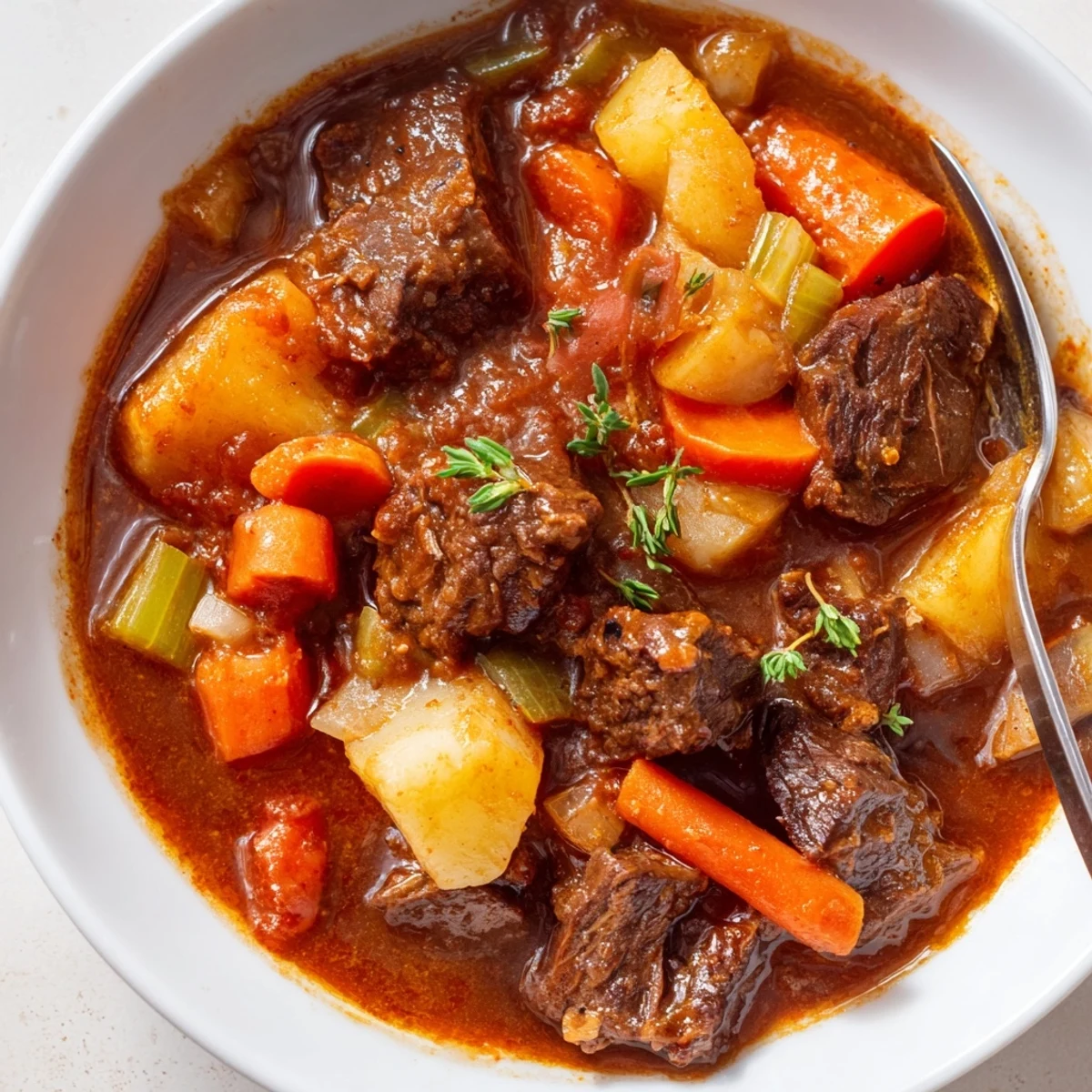
 There is a specific quiet that settles over a table when everyone is too busy eating to talk, forks scraping against bowls and bread tearing in the silence. That is the moment spezzatino stops being dinner and becomes something closer to comfort itself.
Serving Suggestions Worth Trying
Polenta is my favorite companion for this stew because it acts like a soft, golden pillow that catches every drop of sauce. Mashed potatoes work beautifully too, and a thick slice of toasted rustic bread is never a wrong answer on a cold night.
Wine Pairing Thoughts
A Chianti or Barbera poured alongside this stew feels like completing a circle, since red wine is already in the pot. Pour generously for the cooking and generously for the cook, and dinner takes care of itself.
Making It Your Own
Part of the charm of spezzatino is how forgiving and adaptable it is once you understand the basic method. You can adjust it to suit whatever is in your pantry or whatever the season demands.
- Throw in a handful of peas or sliced mushrooms during the last twenty minutes for extra vegetables.
- Omit the potatoes entirely if you want a lighter version or are serving it over something starchy already.
- Always check canned broth and tomato labels for hidden allergens if dietary restrictions matter in your kitchen.
 Pin this
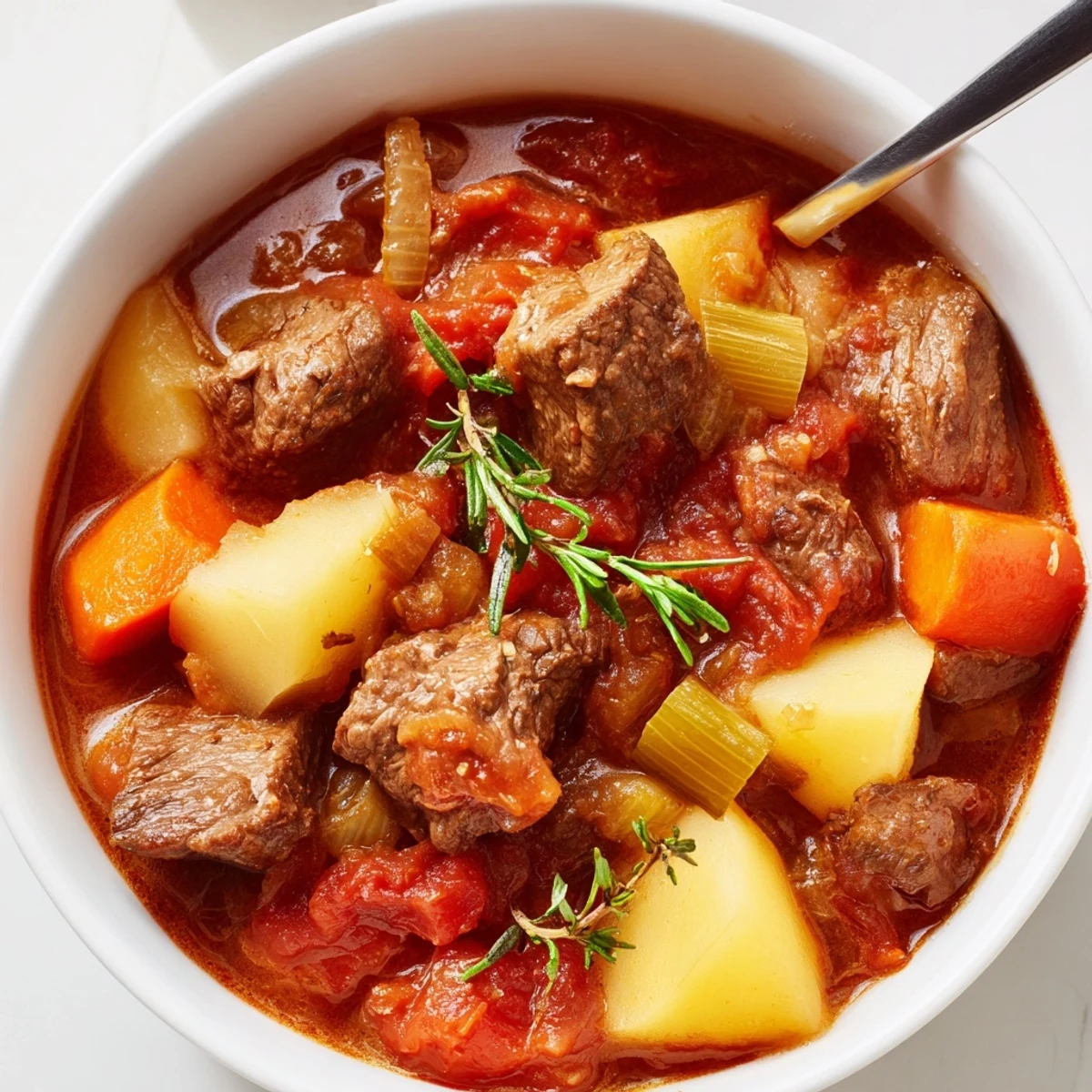
 Some recipes you follow and forget, but spezzatino is the kind that follows you home and stays. Make it once and it will show up on your stove every winter without anyone asking.
Recipe FAQs
- → How do I get a deep brown crust on the beef?
-
Pat the cubes very dry and season before they hit a hot, heavy-bottomed pot. Brown in small batches without crowding so the surface sears rather than steams. Use a high smoke-point oil and don’t move the meat too soon; let a crust form before turning.
- → Can I substitute another cut of beef?
-
Yes. Chuck is ideal for braising because of its marbling and connective tissue. Brisket or short rib also work well and become tender with long, low heat. Leaner cuts will dry out unless cooked briefly or braised with extra fat and liquid.
- → What’s the best way to thicken the sauce?
-
Reduce the braising liquid uncovered to concentrate flavors, and mash a few potatoes against the pot to naturally thicken. A small slurry of water and corn starch or a spoon of tomato paste added during cooking can also help achieve a silkier consistency.
- → What wine pairs well and can it be omitted?
-
Dry Italian reds like Chianti or Barbera add acidity and depth; a full-bodied red works too. If you prefer not to use wine, increase the broth slightly and add a tablespoon of vinegar or a squeeze of lemon to introduce brightness.
- → How long can I store leftovers and how should I reheat?
-
Refrigerate in an airtight container for up to 3–4 days or freeze for 2–3 months. Reheat gently on the stovetop over low heat to preserve texture, adding a splash of broth if the sauce has thickened too much. Flavors often improve after resting overnight.
- → Is this suitable for a gluten-free diet?
-
The main preparation is naturally gluten-free. Check canned tomatoes and broth labels for hidden gluten, and serve with gluten-free polenta or bread if needed.