
 Pin this
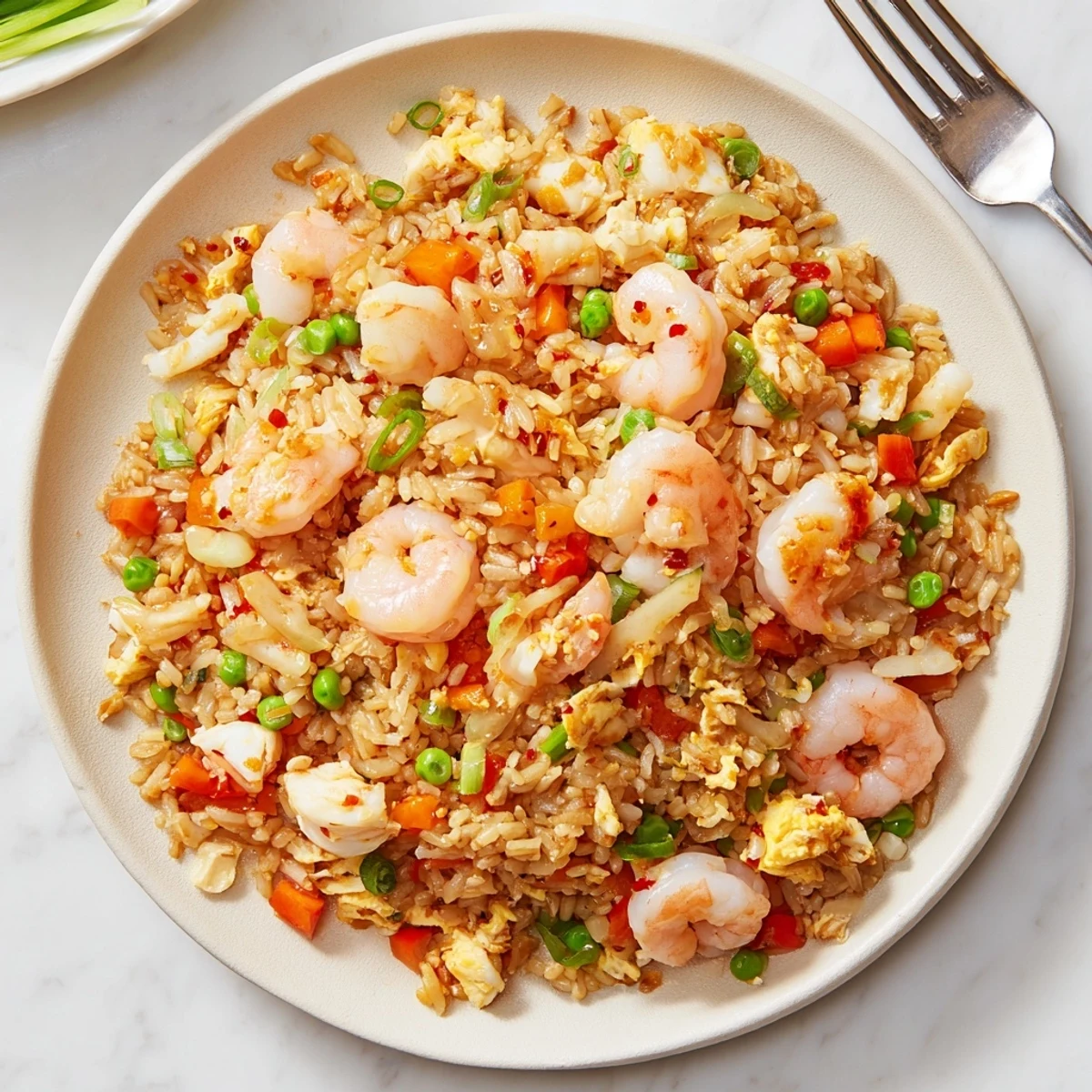
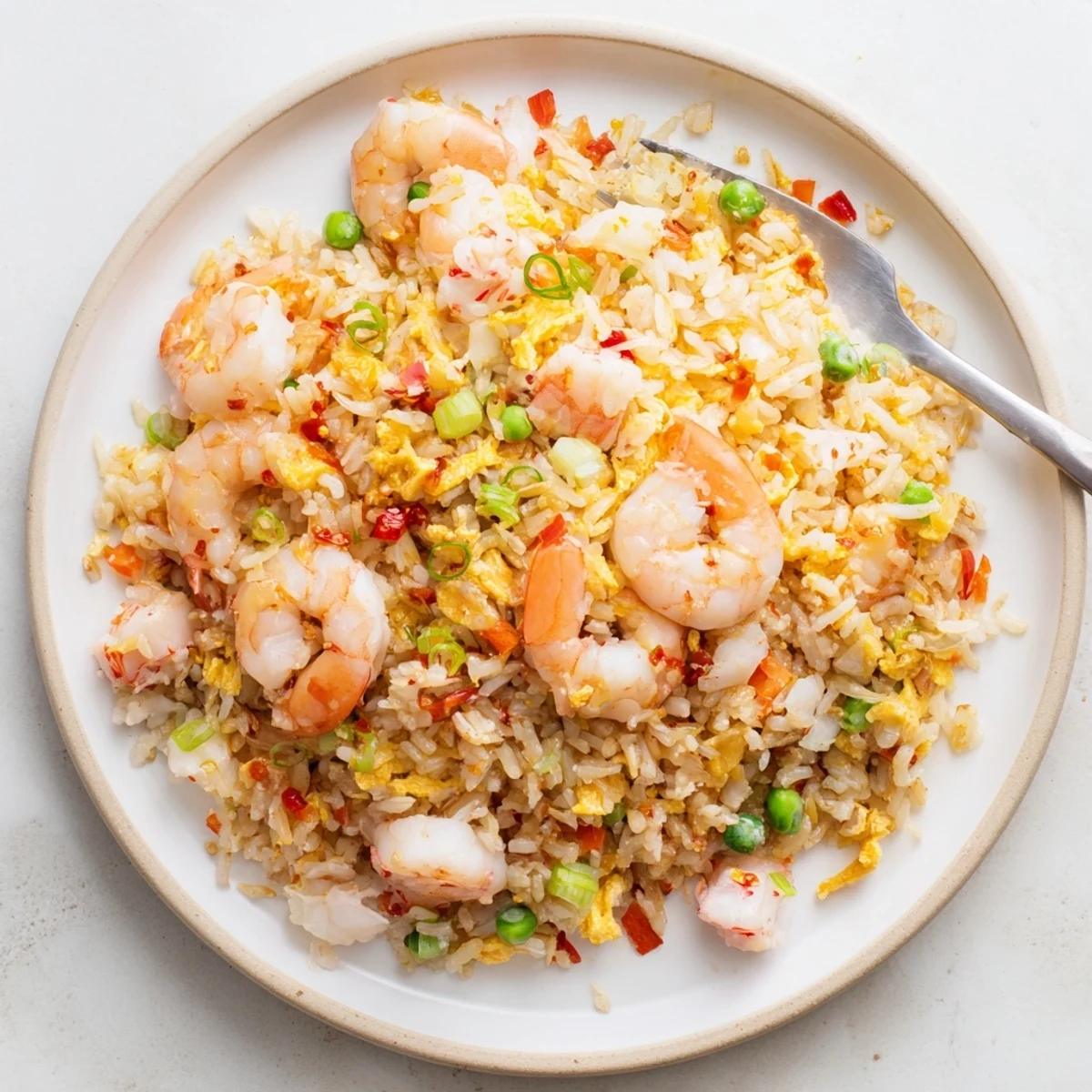
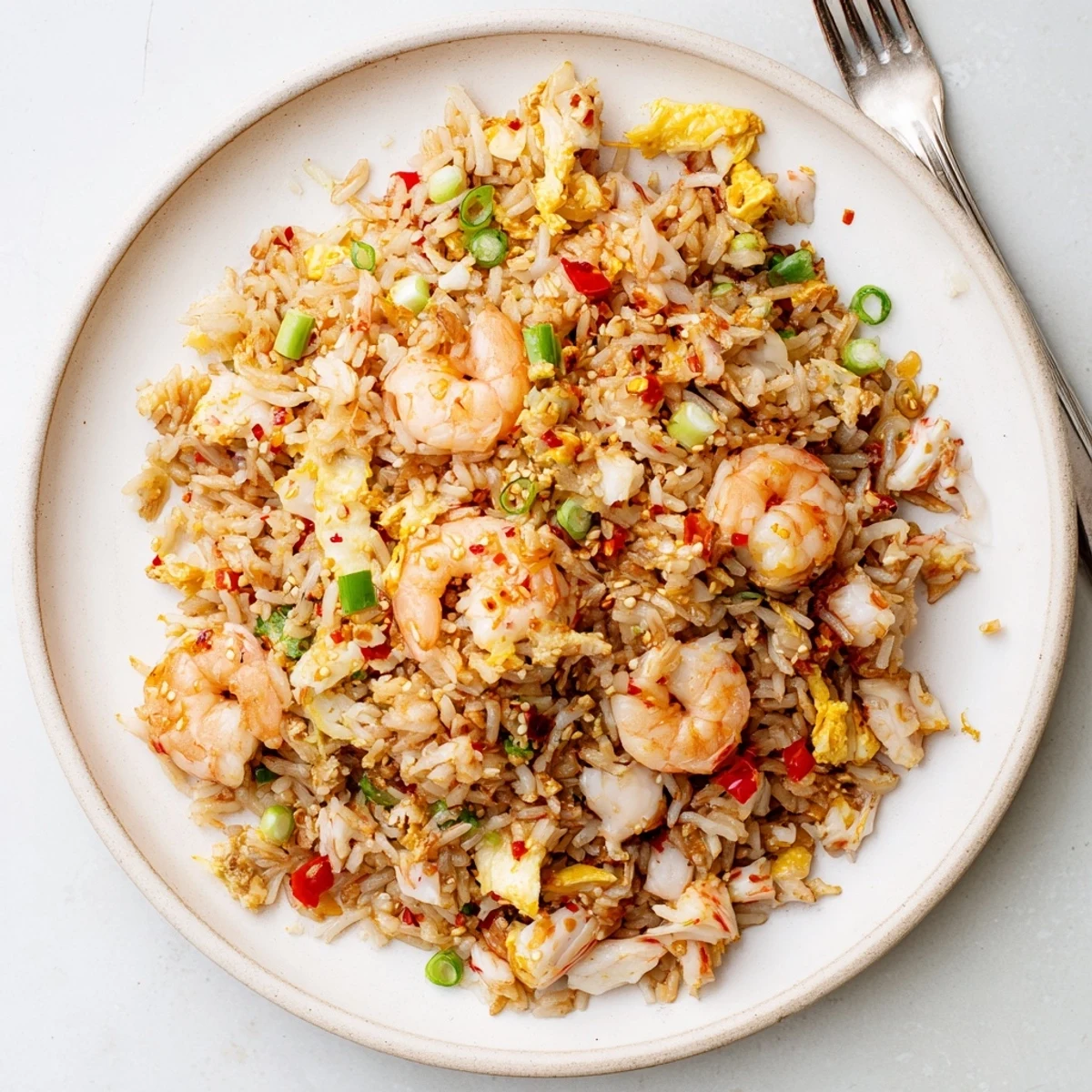
 This vibrant Asian fusion dish combines tender shrimp and sweet lump crab meat with day-old jasmine rice, crisp vegetables, and aromatic seasonings. The star is the homemade garlic chili oil, infusing each bite with smoky heat and rich flavor. Ready in under an hour, this pescatarian main serves four and delivers restaurant-quality results with simple techniques.
The first time I made garlic chili oil, my entire apartment smelled like a restaurant kitchen for three days, and honestly, I was not mad about it. My roommate kept wandering into the kitchen, asking what I was making that smelled so incredible. That amber oil with those floating golden garlic slices became my instant obsession, and I started putting it on everything from eggs to noodles. This fried rice recipe was born from that experiement—a way to use up leftover rice while letting that chili oil truly shine.
Last summer, my friend Sarah came over for what was supposed to be a casual dinner, but she ended up asking for the recipe before she even finished her first bowl. We sat at my tiny kitchen table, eating straight from the wok while the steam rose up between us, and she kept saying, I cannot believe you made this. Now it is the dish I make when I want to impress someone without actually trying too hard.
Ingredients
- Peeled shrimp: Medium size works perfectly here, and deveining them beforehand means no biting into sandy surprises later
- Lump crab meat: Splurge on the good stuff if you can, because those sweet, delicate flakes are what elevate this from ordinary fried rice to something special
- Cold cooked jasmine rice: Dayold is nonnegotiable, because fresh rice turns into mush and will not develop those crave worthy crispy edges
- Finely diced onion: Small dice is key so it softens quickly and disappears into the rice rather than staying crunchy
- Minced garlic: Fresh garlic beats jarred every time, giving you that sharp, aromatic punch that wakes up the whole dish
- Scallions: Separate the white and green parts, because the whites need time to cook while the greens stay fresh and bright as a garnish
- Frozen peas and carrots: Thaw them first so they do not lower the pan temperature and make everything soggy
- Diced red bell pepper: Adds sweetness and a pop of color that makes the dish look as good as it tastes
- Soy sauce: The foundation of savory depth, so use a quality brand you actually enjoy drinking straight
- Oyster sauce: This is the secret ingredient that adds a subtle sweetness and umami richness you cannot quite put your finger on
- Fish sauce: Just a teaspoon transforms the whole dish, adding that salty backbone that makes fried rice taste authentic
- Toasted sesame oil: A little goes a long way, adding that distinctive nutty aroma that screams Asian comfort food
- White pepper: Provides heat without the visible specks of black pepper, plus it has a unique fermented flavor
- Beaten eggs: Room temperature eggs scramble up lighter and fluffier than cold ones straight from the fridge
- Neutral oil: Canola or vegetable oil lets the other flavors shine without competing with them
- Garlic chili oil ingredients: Thinly sliced garlic is crucial for even cooking, and crushed red pepper flakes give you that customizable heat level
Instructions
- Make the garlic chili oil first:
- Heat the oil in a small saucepan over mediumlow heat, add the sliced garlic, and stir frequently until it turns golden brown and fragrant, which should take about 2 to 3 minutes. Remove from the heat immediately and stir in the chili flakes, paprika, sugar, and salt, letting it cool while you prepare everything else.
- Cook the seafood:
- Heat your wok or large skillet over mediumhigh heat with 2 tablespoons of neutral oil, then add the shrimp and cook for just 1 to 2 minutes until they turn pink. Toss in the crab meat gently and stir for 30 seconds, then remove everything from the pan and set it aside so it does not overcook.
- Soften the vegetables:
- In the same hot pan, add the diced onion and cook for 2 minutes until it becomes translucent, then toss in the white scallion parts, garlic, bell pepper, and thawed peas and carrots. Stirfry everything for 2 to 3 minutes until the vegetables have softened and the kitchen smells amazing.
- Scramble the eggs:
- Push all the vegetables to one side of the pan to create an empty space, then pour the beaten eggs into that clearing. Let them set for just a moment before scrambling them until they are just cooked, then mix them into the vegetables.
- Add the rice and crank up the heat:
- Turn the heat to high, add the cold rice, and break up any clumps with your spatula. Stirfry for 2 to 3 minutes, letting the rice get hot and slightly crispy in spots, which is exactly what you want for that authentic texture.
- Combine everything:
- Return the shrimp and crab to the pan, then pour in the soy sauce, oyster sauce, fish sauce, sesame oil, white pepper, and salt. Stirfry for another 2 minutes until everything is well combined and every grain of rice is coated in sauce.
- Finish and serve:
- Remove from the heat and sprinkle the green scallion parts over the top. Serve immediately in bowls, drizzling that homemade garlic chili oil generously over each portion so everyone gets that spicy, aromatic finish.
 Pin this
 This recipe became my go-to for nights when I crave takeout flavors but want to cook at home. Something about standing over the hot wok, smelling the garlic and chili, makes me feel connected to cooks who have been making variations of this dish for generations.
The Secret To Perfect Rice Texture
After years of making fried rice with mediocre results, I finally learned that spreading cooked rice on a baking sheet and letting it air dry in the fridge for at least a few hours, but ideally overnight, changes everything. The grains firm up just enough to withstand high heat without breaking down into mush.
Making The Chili Oil Your Own
Sometimes I add a star anise or a cinnamon stick to the oil while it heats up, infusing it with warm spices that make the final dish feel even more complex. Other times I will use Aleppo pepper instead of red pepper flakes for a fruitier heat that lingers differently on the tongue.
Serving Suggestions And Pairings
This fried rice is substantial enough to stand alone as a meal, but I love serving it alongside simple steamed bok choy or cucumber salad to cut through the richness. A cold crisp beer or a dry Riesling balances the heat beautifully.
- Squeeze fresh lime juice over your bowl right before eating to brighten all the rich flavors
- Top with a fried egg if you want extra protein and that runny yolk sauce over every bite
- Keep extra chili oil in the fridge for up to two weeks and use it to perk up eggs, noodles, or even roasted vegetables
 Pin this
 I hope this recipe brings as much joy to your kitchen as it has to mine. There is something deeply satisfying about transforming simple leftovers into something this extraordinary.
Recipe FAQs
- → Why use day-old rice for fried rice?
-
Day-old rice has dried out slightly, preventing clumping and ensuring each grain separates perfectly during stir-frying. Freshly cooked rice contains too much moisture and can become mushy.
- → Can I adjust the spice level?
-
Absolutely. Reduce the crushed red chili flakes to 1 tablespoon for milder heat, or increase to 2 tablespoons for extra spice. You can also serve the chili oil on the side.
- → What's the best way to reheat leftovers?
-
Reheat in a wok or skillet over medium-high heat for 3-5 minutes, adding a splash of water or oil if needed. The microwave works but may make the rice slightly soft.
- → Can I use other proteins?
-
Yes. Diced chicken, pork, or firm tofu work well. For vegetarian versions, use extra vegetables or plant-based protein alternatives, adjusting cooking times accordingly.
- → How long does the garlic chili oil keep?
-
Store in an airtight container in the refrigerator for up to 2 weeks. The flavors will continue developing, making it even more delicious over time.
- → What vegetables can I substitute?
-
Frozen corn, snap peas, bean sprouts, or diced broccoli work well. Just ensure total vegetables stay around 2 cups to maintain proper rice-to-vegetable ratio.