
 Pin this
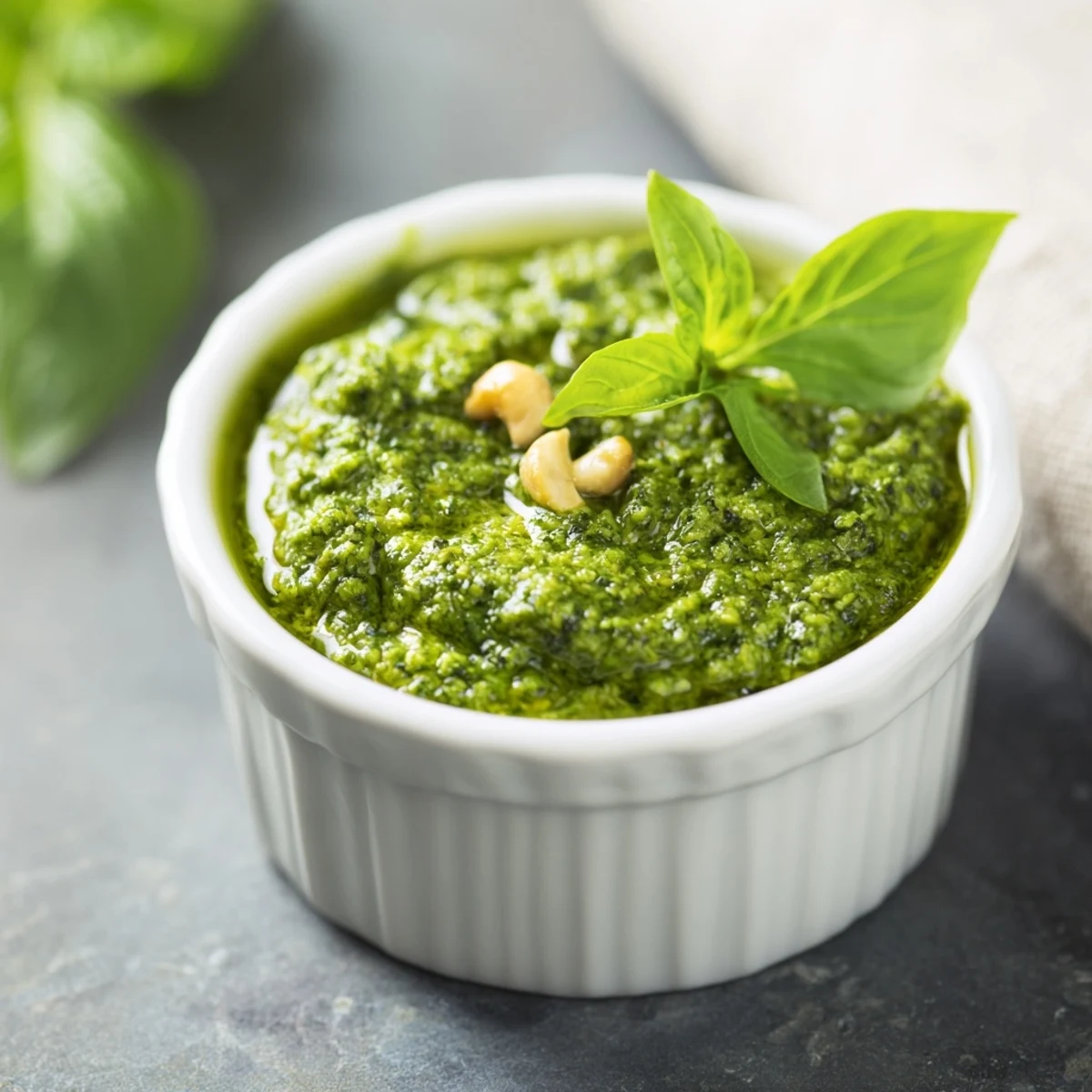
 This Thai-inspired pesto brings together the peppery, anise-like notes of fresh Thai basil with the richness of roasted cashews and bright citrus from lime juice. Ready in just 10 minutes with no cooking required, it creates a versatile condiment that bridges Thai and Italian cuisines beautifully.
The blend includes aromatic garlic, optional Thai chili for gentle heat, and a touch of sugar to balance flavors. While traditional Parmesan adds depth, it's easily omitted for vegan versions. The result is a vibrant, emerald-green sauce that transforms everything from rice noodles to grilled fish and fresh vegetables.
Store in an airtight container for up to five days, allowing flavors to meld and intensify over time.
The first time I made this pesto, my kitchen smelled like an herb garden had exploded in the best way possible. Thai basil has this peppery, licorice kissed fragrance that fills every corner of the room while it blitzes. I was actually supposed to be making regular pesto for a dinner party, but I'd grabbed the wrong bunch at the market and decided to just go with it. Everyone asked for the recipe, and I've never looked back.
Last summer I served this at a potluck with grilled shrimp and rice noodles, and my friend's daughter who usually picks herbs off her plate went back for thirds. Something about the fresh cilantro and lime juice makes it feel lighter and brighter than Italian pesto, perfect for those sweltering days when heavy sauces just won't do. Now it's my go to for everything from spreading on sandwiches to swirling into soups.
Ingredients
- 2 cups Thai basil leaves: The star of the show with its signature peppery sweetness and purple tinged stems that pack way more flavor than sweet basil
- 1/2 cup fresh cilantro leaves: Adds brightness and helps bridge the Thai Italian flavor gap, though the pesto works without it if you're not a cilantro person
- 1/3 cup roasted cashews: Creamy and buttery when blended, though peanuts will give you a more authentic Thai profile if that's what you're after
- 2 cloves garlic: Use fresh, not the jarred stuff, since raw garlic really shines here
- 1 small Thai green chili: Seeds removed for gentle warmth, leave them in if you like things to tingle
- 1 tablespoon lime juice: Cuts through the rich oils and wakes everything up
- 1 tablespoon Parmesan cheese: Optional but adds that savory umami depth, though nutritional yeast works beautifully for vegan versions
- 1 teaspoon sugar: Just enough to balance the bitterness of raw herbs and chili heat
- 1/2 cup olive oil: Extra virgin gives you that luxurious mouthfeel, though neutral oil lets the herbs really pop
- 1 tablespoon toasted sesame oil: The secret weapon that adds nutty depth without overpowering anything
- 1/2 teaspoon sea salt: Start here and adjust, since the cheese if using adds saltiness too
- Freshly ground black pepper: Grind it right before adding for the most punch
Instructions
- Prep your herbs:
- Give the Thai basil and cilantro a quick spin in a salad spinner or pat dry with towels, then strip the leaves from stems, which can be tough and fibrous in the blender.
- Load up the food processor:
- Toss in the basil, cilantro, cashews, garlic, chili, lime juice, Parmesan if using, and sugar, spreading everything evenly so the blades can catch each ingredient.
- Pulse to coarse chop:
- Hit the pulse button 5 to 6 times until everything looks like a rough, chunky confetti, scraping down the sides once to make sure nothing's hiding.
- Stream in the oils:
- With the motor running, pour the olive oil and sesame oil in a slow, steady drizzle through the feed tube, watching as the mixture transforms into a silky, emerald paste.
- Season and taste:
- Add the salt and pepper, pulse once more, then grab a spoon and taste, adjusting with more lime for brightness, salt for depth, or sugar to tame any harsh edges.
- Store or serve immediately:
- Scoop into a clean jar, pressing a piece of plastic wrap directly onto the surface to prevent oxidation, and keep it refrigerated for up to 5 days.
 Pin this
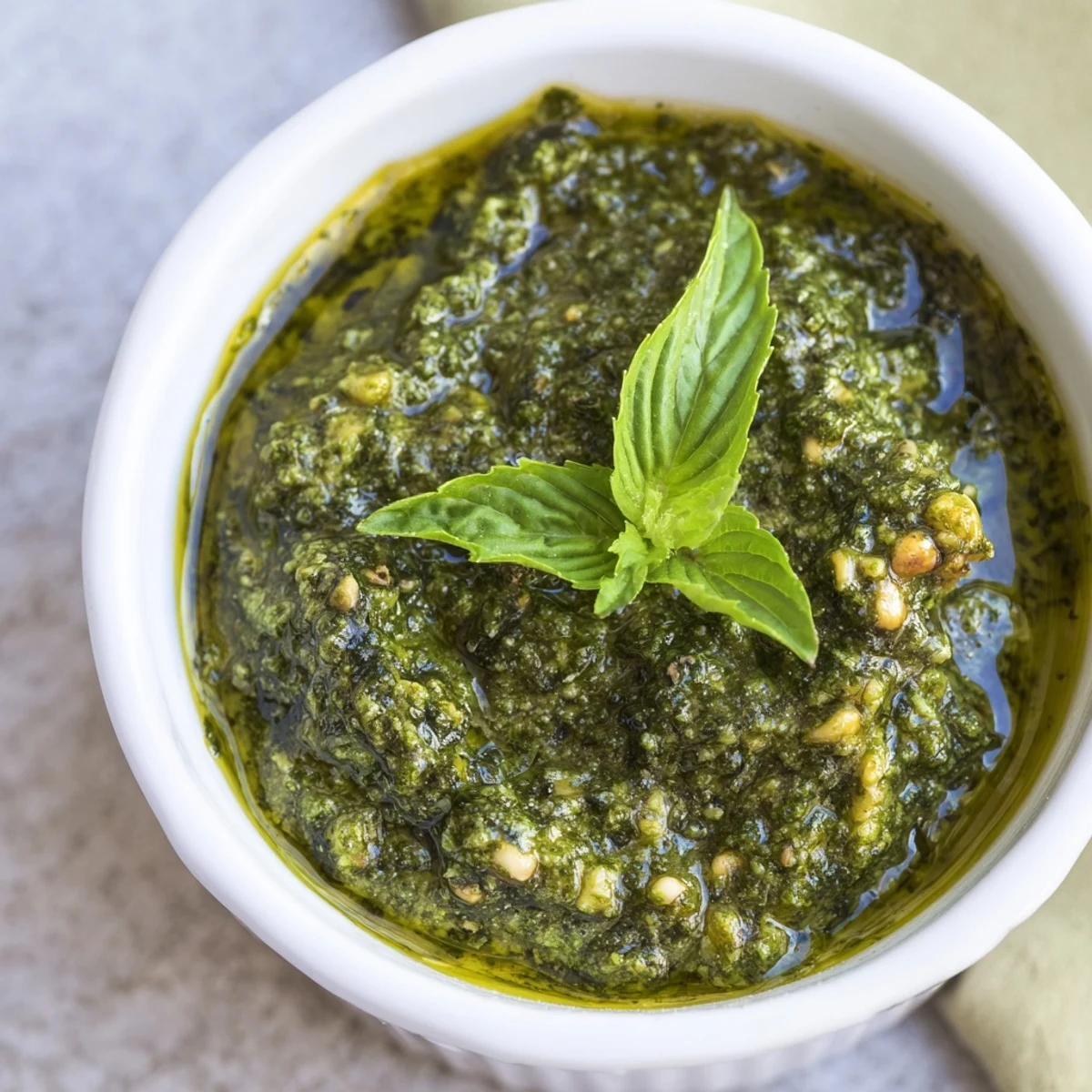
 My neighbor actually texted me at 11pm one night asking what I was cooking because the aroma drifted through our shared wall. I ended up sending her home with a small jar, and now we have a standing pesto swap whenever one of us makes a batch. Food has this way of connecting people, even through apartment walls.
Serving Ideas That Work
Toss this pesto with cold rice noodles for a five minute lunch that tastes like takeout but feels infinitely fresher. It's also incredible spooned over grilled white fish, where the heat slightly wilts the herbs and releases more of those aromatic oils. Sometimes I just spread it on thick slices of sourdough and top with sliced tomatoes for the world's fastest open faced sandwich.
Making It Your Own
Swap the cashews for macadamia nuts if you want something even creamier, or go with sunflower seeds if you need to keep it nut free for allergies. I've made versions with mint leaves mixed in during summer, and once I stirred in a tablespoon of peanut butter at the end for a Thai peanut fusion that honestly changed my life. The beauty of this recipe is how forgiving it is once you understand the basic formula.
Storage And Make Ahead Tips
This pesto freezes beautifully, so I often double the batch and stash half in ice cube trays for those nights when cooking feels impossible. Just pop the frozen cubes into a freezer bag and they'll keep for months, thawing quickly on the counter or even directly into hot pasta. The texture stays remarkably close to fresh, which isn't something I can say about most frozen sauces.
- Press a piece of plastic wrap directly onto the surface before refrigerating to prevent browning
- Stir in a fresh teaspoon of lime juice before serving leftovers to wake up the flavors
- Freeze in tablespoon portions for easy portioning instead of guessing how much to thaw
 Pin this
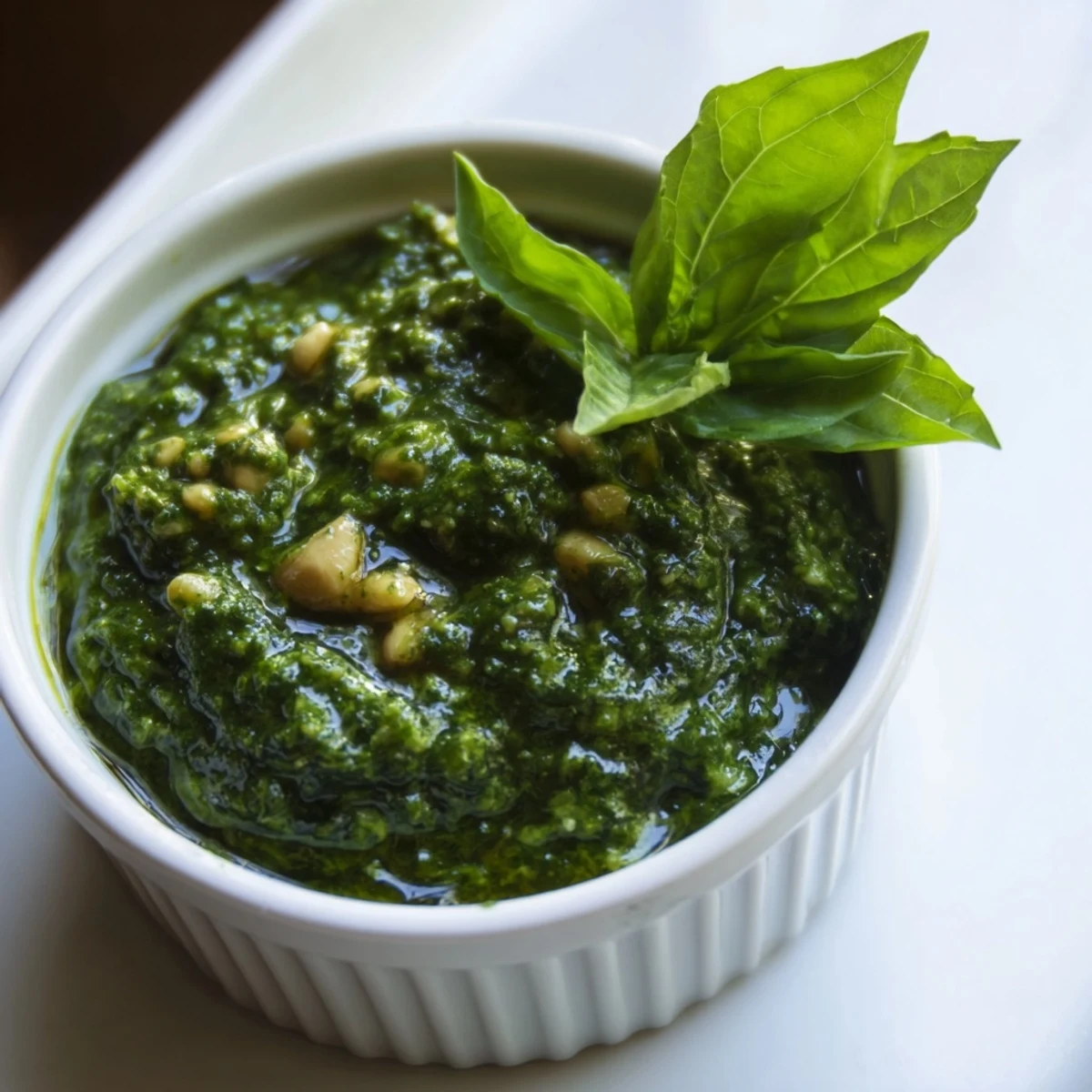
 There's something deeply satisfying about turning a handful of herbs into something that transforms ordinary food into something memorable. Keep this recipe in your back pocket for those times when you need a little kitchen magic in your life.
Recipe FAQs
- → Can I use regular sweet basil instead of Thai basil?
-
While sweet basil works, Thai basil's distinct peppery, anise-like flavor profile is essential for the authentic fusion taste. Sweet basil will produce a milder, more traditional Italian-style pesto.
- → What's the best way to store Thai basil pesto?
-
Transfer to an airtight jar, press a piece of plastic wrap directly onto the surface to prevent oxidation, and refrigerate for up to five days. For longer storage, freeze in ice cube trays and transfer to freezer bags.
- → Is this pesto spicy?
-
The heat level is customizable with the Thai green chili. With seeds removed, it provides gentle warmth. Omit entirely for a mild version, or add additional chilies for those who enjoy more heat.
- → What can I substitute for cashews?
-
Peanuts offer a more authentic Thai flavor profile, while sunflower seeds work beautifully for nut-free versions. Walnuts or pine nuts can also be used for different nuances.
- → How do I use Thai basil pesto?
-
Toss with warm rice noodles for a quick Asian-inspired pasta, drizzle over grilled fish or chicken, spread on sandwiches, serve as a dip for vegetables, or swirl into soups for added richness.
- → Can I make this pesto vegan?
-
Simply omit the Parmesan cheese or replace it with nutritional yeast for a cheesy, umami-rich flavor while keeping it entirely plant-based.