
 Pin this
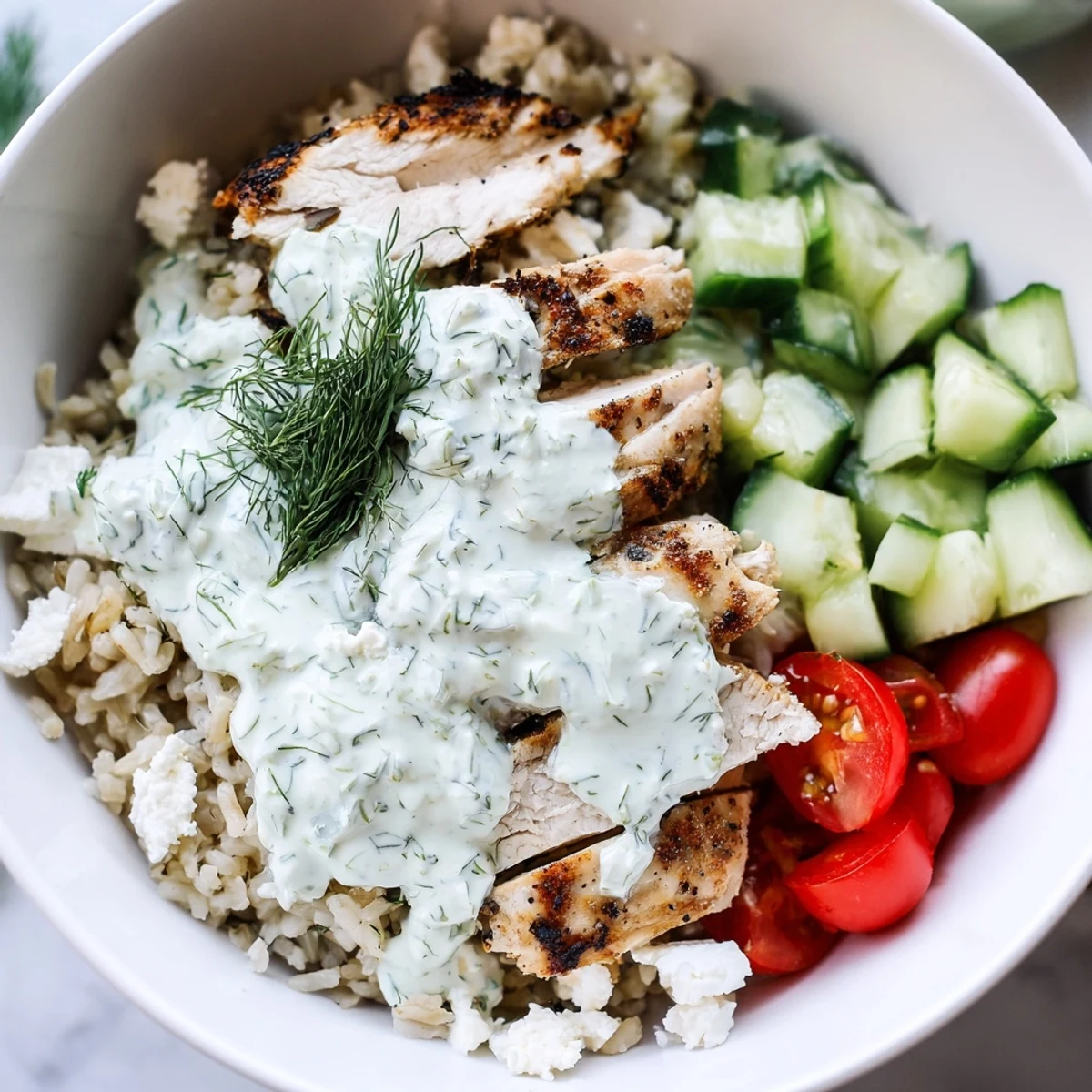
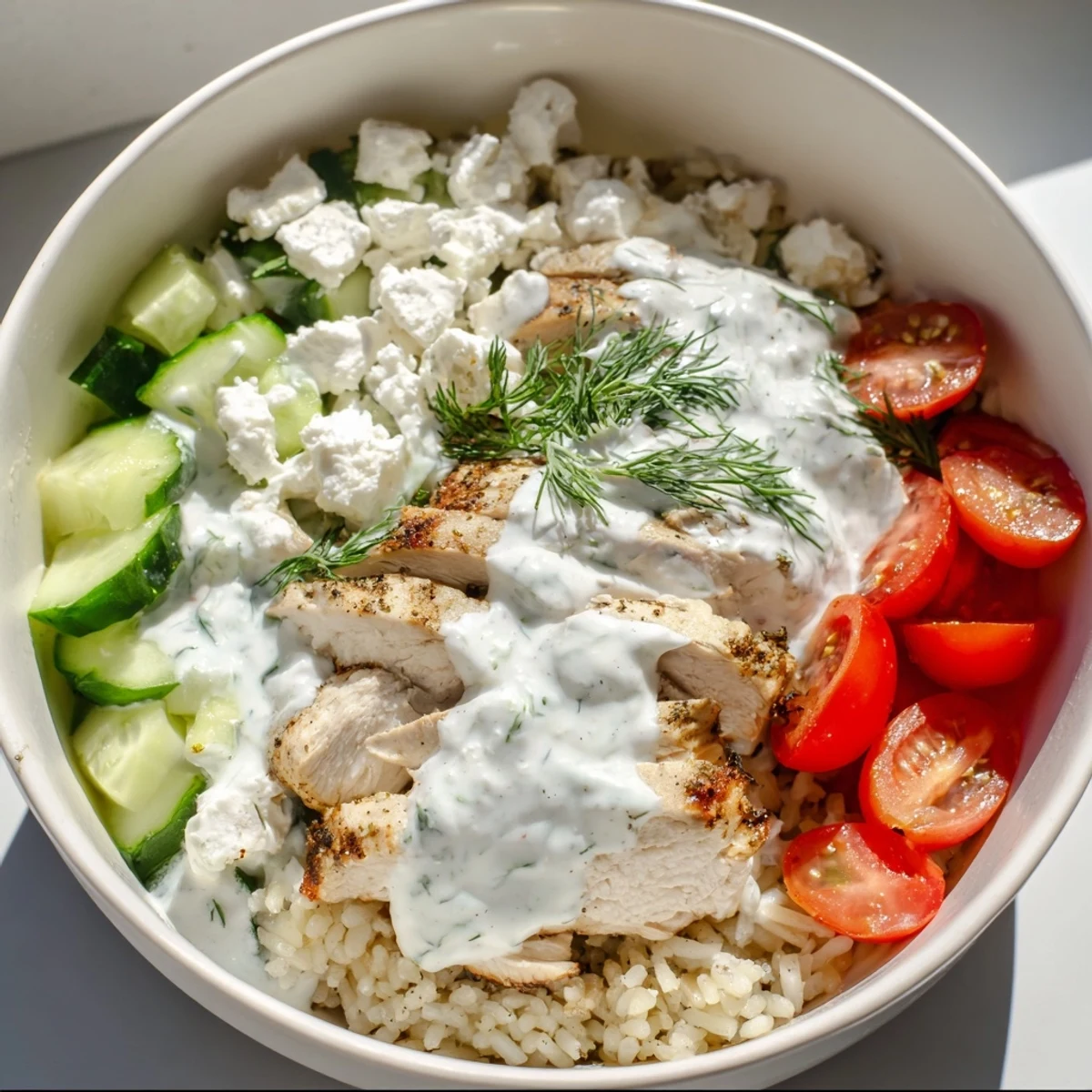
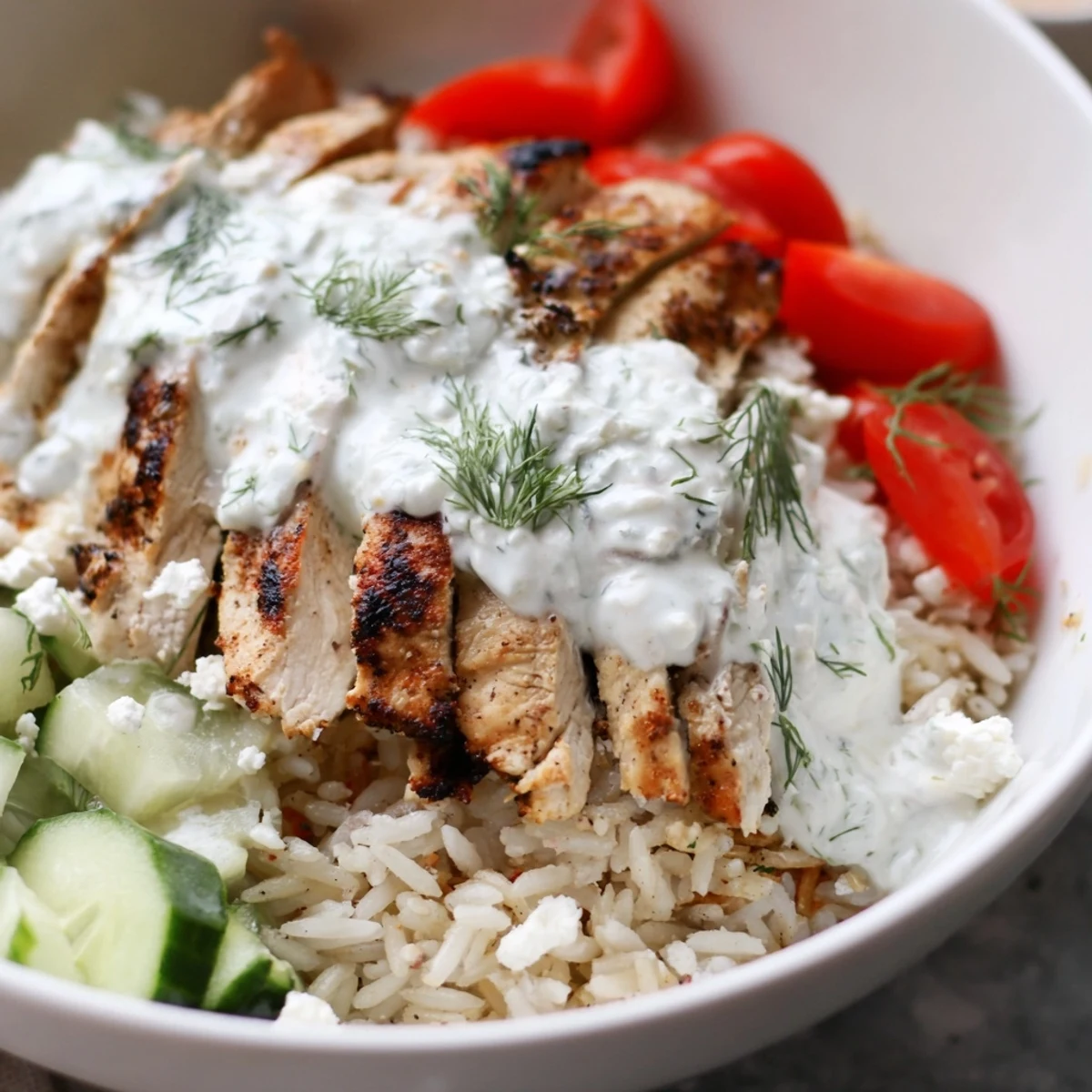
 This dish combines tender marinated chicken with fragrant basmati rice and crisp vegetables, all enhanced by a creamy homemade tzatziki sauce. The chicken is seasoned with lemon, garlic, oregano, and smoked paprika, then cooked until golden and juicy. Paired with vibrant cherry tomatoes, cucumbers, olives, and crumbled feta cheese, the bowl offers a balanced mix of textures and flavors. Finished with fresh parsley and optional warm pita, it makes a satisfying and wholesome Mediterranean meal perfect for lunch or dinner.
There's something about assembling a Greek chicken gyro bowl that makes you feel like you're sitting at a taverna overlooking the Aegean, even if you're in your own kitchen. I discovered this recipe during a particularly gray winter when I needed something bright, energizing, and completely different from the heavy meals I'd been making. The first time I made it, the house filled with the smell of lemon, garlic, and oregano, and my partner walked in asking what smelled like a vacation. It became our answer whenever someone asked what we wanted for dinner.
I made these bowls for a small dinner party last summer, and what struck me most was watching people slow down and actually taste each element—the cool, herby tzatziki against the warm, spiced chicken, the briny pop of olives, the creamy feta. Someone asked for the recipe, and then another person did, and I realized this wasn't just food; it was a conversation starter. Now whenever friends come over, someone inevitably asks if we're having "those Greek bowls."
Ingredients
- Chicken breasts or thighs: Thighs are more forgiving and stay juicier, but breasts work fine if you don't overcook them.
- Olive oil: Good quality matters here because it carries so much of the flavor—don't use your cooking oil, use something you'd drizzle on bread.
- Lemon juice: Fresh is non-negotiable; bottled tastes flat and slightly off in comparison.
- Greek yogurt: The full-fat kind, not the nonfat, because it's richer and makes the marinade cling to the chicken properly.
- Dried oregano: This is the backbone of the flavor profile, so use the good stuff if you have it.
- Smoked paprika: It adds depth and color without heat—regular paprika is fine but less interesting.
- Cucumber for tzatziki: Squeeze out every bit of liquid or your sauce becomes watery and disappoints.
- Fresh dill: If you can find it, it's worth seeking out; dried works but tastes like hay in comparison.
- Basmati or jasmine rice: Cook it in chicken broth instead of water for an extra layer of flavor that nobody expects.
- Kalamata olives: Buy them pitted if your store has them—it saves your thumbs and your sanity.
- Feta cheese: Get the real thing from the refrigerated section, not the crumbled stuff in the aisle; it actually tastes like something.
Instructions
- Build the marinade:
- In a mixing bowl, whisk together the olive oil, lemon juice, minced garlic, yogurt, oregano, cumin, paprika, salt, and pepper until you have a thick, fragrant paste. This is where the magic starts—the smell alone will tell you this is going to be good.
- Marinate the chicken:
- Pat your chicken dry, then add it to the bowl and toss until every piece is coated in that golden mixture. Cover with plastic wrap and slide it into the fridge for at least 20 minutes, though 2 hours is better if you have the time. The longer it sits, the more the flavors seep in.
- Make the tzatziki:
- While the chicken is marinating, combine the Greek yogurt, squeezed cucumber, olive oil, dill, minced garlic, lemon juice, salt, and pepper in a small bowl. Stir it together gently—you're not trying to whip air into it. Taste it and adjust the lemon or salt to your preference, then refrigerate until you need it.
- Cook the chicken:
- Heat a large skillet over medium-high heat until it's hot enough that a drop of water sizzles immediately. Remove the chicken from the marinade and lay it in the pan without moving it for the first few minutes—let it develop that golden, slightly charred exterior. Cook for about 5 to 6 minutes per side depending on thickness, until the internal temperature reaches 165°F and the meat is cooked through.
- Rest and slice:
- Transfer the cooked chicken to a cutting board and let it sit for 5 minutes—this is crucial because it allows the juices to redistribute, keeping each slice tender instead of dry. Slice it thinly against the grain for maximum tenderness.
- Assemble the bowls:
- Divide the cooked rice among four serving bowls, then arrange the sliced chicken, cherry tomatoes, diced cucumber, red onion slices, olives, and crumbled feta on top in a way that looks generous and inviting. Drizzle everything with a generous amount of tzatziki sauce—don't be shy here.
- Finish and serve:
- Scatter fresh parsley over the top for color and a fresh herbal note, nestle a lemon wedge into each bowl, and serve immediately while the chicken is still warm. Warm pita bread on the side is optional but highly recommended for scooping up every last bit of sauce.
 Pin this
 The moment I realized this recipe was a keeper was when my usually picky eater asked for seconds and then a third bowl. There's something about a well-constructed bowl that makes people feel cared for, like you took the time to think about flavor and nutrition together.
Why This Bowl Hits Different
Most Greek chicken dishes are either heavy or boring, but this one manages to be both light and incredibly satisfying. The combination of warm and cool elements, the contrast between the creamy sauce and the crisp vegetables, and the way the spiced chicken pulls everything together—it all works because every component earns its place on the plate. You're not just eating chicken and rice; you're eating a complete story of Mediterranean flavors that actually make sense together.
Building Flavor Beyond the Basics
What separates a good Greek bowl from a great one is understanding that each ingredient is there to play a specific role. The olives bring brininess and richness, the tomatoes bring acidity and freshness, the feta brings creaminess and funk, and the tzatziki pulls it all together with its cool, herbal embrace. When you understand why each ingredient is there, you start to see how you could swap things around or add new elements that maintain the same balance.
Variations and Personal Touches
This recipe is forgiving and flexible in the best ways. If you're avoiding rice, swap it for quinoa or even cauliflower rice and the whole thing still works beautifully. I've added sumac for a lemony earthiness, crumbled pomegranate seeds for unexpected sweetness, or a pinch of chili flakes for people who like heat. One friend swears by adding roasted red peppers, another adds fresh mint to her tzatziki. The skeleton of the recipe is solid enough to support your own creativity.
- Don't skip the fresh parsley at the end—it brightens everything and prevents the bowl from feeling heavy.
- If you make the bowls ahead, keep the tzatziki separate until you're ready to eat so nothing gets soggy.
- Leftover tzatziki is wonderful with grilled vegetables, as a dip for pita chips, or stirred into soups for unexpected depth.
 Pin this
 This is the kind of recipe that makes you feel like you can cook, that makes people happy, and that somehow tastes like a small vacation in a bowl. Make it this week, and I promise someone will ask for the recipe.
Recipe FAQs
- → How do I marinate the chicken for best flavor?
-
Combine olive oil, lemon juice, garlic, Greek yogurt, oregano, cumin, smoked paprika, salt, and pepper. Coat chicken evenly and refrigerate for 20 minutes to 2 hours.
- → Can I substitute the rice for another grain?
-
Yes, quinoa or cauliflower rice can be used instead of basmati or jasmine for a lighter option.
- → What is the best way to prepare the tzatziki sauce?
-
Mix Greek yogurt with grated, drained cucumber, olive oil, dill, garlic, lemon juice, salt, and pepper. Chill until ready to serve.
- → How should the chicken be cooked?
-
Cook marinated chicken on medium-high heat for 5-6 minutes per side until golden brown and cooked through, then let it rest before slicing.
- → What garnishes complement these bowls?
-
Fresh parsley, lemon wedges, and optional warm pita bread add bright and fresh finishing touches.